Our Blog
Stay informed about digital X-ray quality assurance, compliance, and imaging best practices. Our articles break down complex standards like Safety Code 30 into clear, practical steps that help dental clinics improve image quality, reduce radiation risk, and maintain full regulatory confidence.
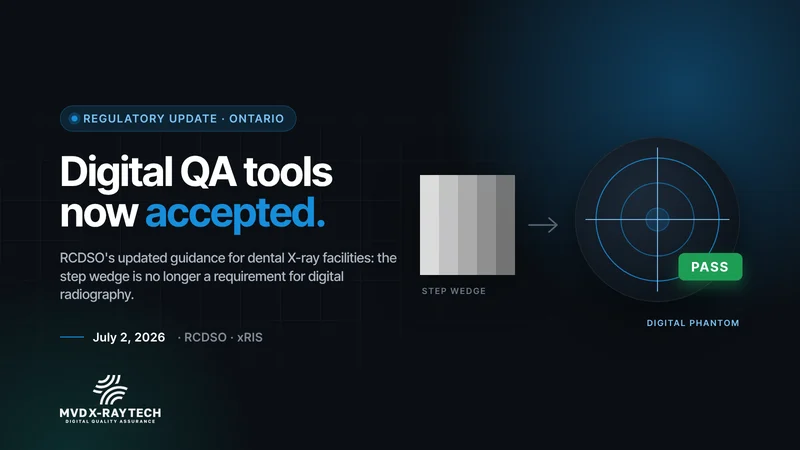
RCDSO Guidance Change: Digital QA Tools Now Accepted for Dental X-Ray Quality Control in Ontario
On July 2, 2026, RCDSO updated its dental X-ray facility guidance. The step wedge is no longer a requirement, and digital QA tools may be used. Here is what changed and what Ontario clinics should check.
Read More
Dental X-Ray QA Myths That Cost Clinics Time and Money
Common myths about dental X-ray QA lead clinics to waste time or take on risk. Here are the most common QA myths, and the reality behind each one.
Read More
How to Switch From Film to Digital Dental X-Rays
Moving from film to digital dental X-rays pays off, but the switch takes planning. Here is a step-by-step guide, including how QA changes along the way.
Read More
Wired vs Wireless Dental X-Ray Sensors: QA Considerations
Wired and wireless dental X-ray sensors each have trade-offs. Here is how they compare and the quality assurance considerations that come with each type.
Read More
Dental X-Ray Safety for Pediatric Patients
Children need extra care with dental imaging. Here is what clinics should know about dental X-ray safety for pediatric patients, from dose to technique.
Read More
What to Do When a Dental X-Ray Fails a QA Test
A failed QA test is a warning, not a crisis. Here is a clear, step-by-step guide to what to do when a dental X-ray fails a quality assurance test.
Read More
A Dental Assistant Guide to Daily X-Ray Quality Assurance
Dental assistants often run daily X-ray QA. This guide breaks down the daily quality assurance routine, what to check, and how to record it with confidence.
Read More
Dental X-Ray Exposure Settings: A Practical Guide for Clinics
Exposure settings shape image quality and patient dose. Here is a practical guide to dental X-ray exposure settings and how to balance clarity with safety.
Read More
What Causes Blurry Dental X-Rays and How to Fix Them
Blurry dental X-rays lead to retakes and missed detail. Here are the common causes of blurry X-rays and practical steps to fix them and keep images sharp.
Read More
How to Read a Dental X-Ray Quality Assurance Report
A QA report only helps if you understand it. Here is how to read a dental X-ray quality assurance report and act on what it tells you.
Read More
X-Ray QA Testing vs Equipment Maintenance: What Is the Difference?
QA testing and equipment maintenance are not the same thing. Here is how they differ, how they work together, and why dental clinics need both.
Read More
Bitewing vs Periapical X-Rays: What Dental Teams Should Know
Bitewing and periapical X-rays serve different purposes in dental care. Here is a clear comparison of each and why image quality matters for both.
Read More
How to Document Daily X-Ray QA for a Health Canada Inspection
Good documentation is what passes inspections. Here is how to document daily dental X-ray QA so your records hold up during a Health Canada review.
Read More
Dental X-Ray Quality Assurance: A Setup Guide for New Clinics
Opening a dental clinic? This setup guide covers how to build dental X-ray quality assurance from day one, from equipment checks to inspection-ready records.
Read More
Dental X-Ray Quality Assurance Trends to Watch in 2026
What's next for dental X-ray QA? Here are the key quality assurance trends shaping dental imaging in 2026, from automation to centralized compliance.
Read More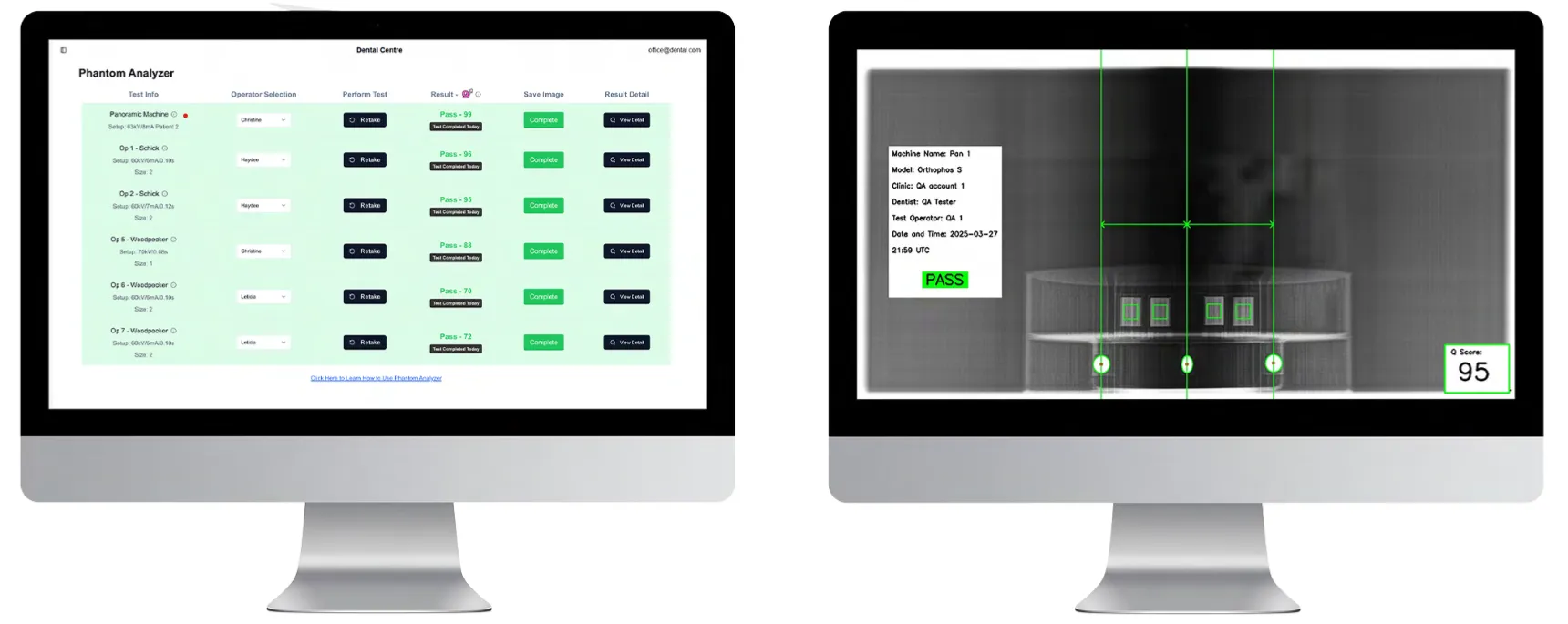
What Is the Q-Score and Why Does Dental QA Need One?
What is a Q-Score in dental X-ray QA? Learn how a single quality score makes it easy to see if your clinic's imaging is compliant and consistent at a glance.
Read More
HARP Act Explained: X-Ray Compliance for Ontario Clinics
What is the HARP Act, and what does it mean for Ontario dental clinics? Here's a plain-language guide to X-ray compliance under Ontario's HARP regulations.
Read More
Sensor Care 101: Extending the Life of Your Dental X-Ray Sensors
Dental X-ray sensors are a major investment. Here's how proper sensor care and consistent QA help extend sensor life and protect image quality.
Read More
How to Choose a Dental X-Ray QA System: A Buyer's Checklist
Choosing a dental X-ray QA system? Use this buyer's checklist to compare options on automation, compliance, ease of use, and recordkeeping before you decide.
Read More
Compliance Mistakes That Trigger Dental X-Ray Inspection Failures
Most dental X-ray inspection failures are avoidable. Here are the common compliance mistakes that trip clinics up, and how to fix them before an inspection.
Read More
How Digital QA Supports Faster, More Accurate Diagnoses
Better image quality means better diagnoses. Here's how digital X-ray QA helps dental clinics support faster, more accurate, and more confident diagnoses.
Read More
Common Dental X-Ray Artifacts and What They Mean
Artifacts can compromise dental X-ray images. Here are common dental X-ray artifacts, what causes them, and how QA helps you catch them early.
Read More
How to Train Your Dental Team on X-Ray Quality Assurance
Consistent QA depends on a well-trained team. Here's how to train dental staff on X-ray quality assurance so testing stays accurate and reliable every day.
Read More
How Shielding and Collimation Reduce Dental X-Ray Exposure
Shielding and collimation are key tools for limiting dental X-ray exposure. Here's how each works and how they support ALARA and patient safety.
Read More
How Phantom Cloud Centralizes Dental X-Ray QA Across Clinics
Phantom Cloud brings dental X-ray QA data into one place. See how centralized QA helps clinics and DSOs monitor compliance, spot issues, and stay audit-ready.
Read More
What Is a Phantom in Dental Radiography QA?
What is a phantom in dental radiography? Learn how QA phantoms provide a known reference to test X-ray image quality and keep dental imaging consistent.
Read More
Image Quality Metrics Every Dental Clinic Should Monitor
Which image quality metrics matter most in dental radiography? Here are the key measures clinics should monitor to keep X-ray images accurate and compliant.
Read More
How to Build a Daily X-Ray QA Routine Your Team Will Follow
A daily X-ray QA routine only works if your team actually follows it. Here's how to build a simple, consistent QA habit that sticks in a busy dental clinic.
Read More
Digital QA for Multi-Location Dental Practices and DSOs
Managing X-ray QA across multiple dental locations is hard on paper. Here's how DSOs use digital QA to standardize compliance and monitor every clinic at once.
Read More
7 Signs Your Dental X-Ray Equipment Needs Calibration
Is your dental X-ray equipment drifting out of calibration? Here are 7 warning signs to watch for, and how daily QA catches them before they cause problems.
Read More
Your Dental X-Ray QA Logbook: What to Record and Keep
What belongs in your dental X-ray QA logbook, and how long should you keep it? A practical guide to recording QA tests for compliance and inspections.
Read More
What Inspectors Look For During a Dental X-Ray Audit
What do inspectors actually check during a dental X-ray audit? Here are the key areas Canadian clinics should prepare, from QA records to equipment performance.
Read More
How to Reduce Dental X-Ray Retakes Without Slowing Down
Retakes waste time and raise exposure. Here are practical ways dental clinics can reduce X-ray retakes without slowing down a busy schedule.
Read More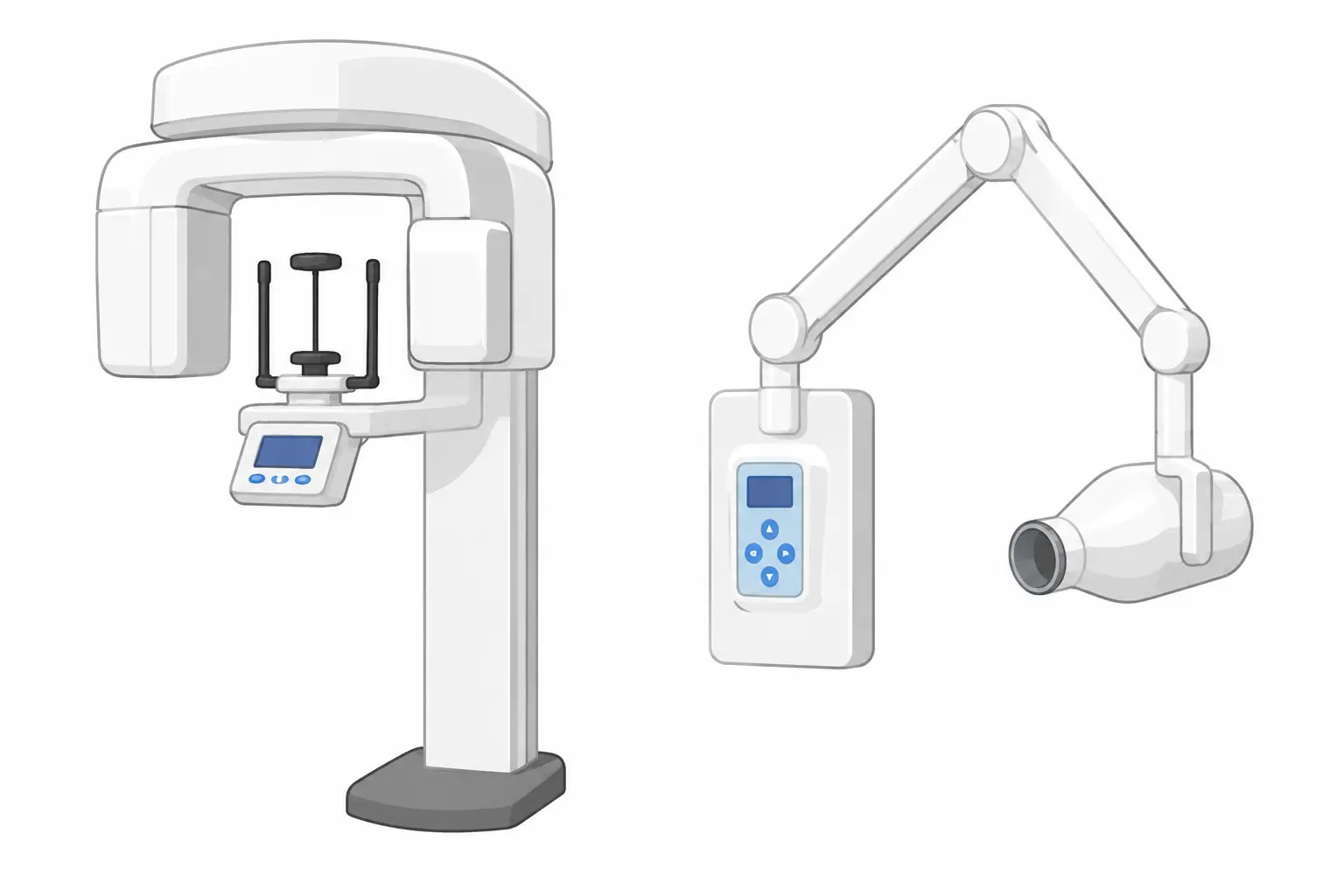
Intraoral vs. Panoramic X-Ray QA: What's the Difference?
Intraoral and panoramic X-ray systems need quality assurance, but in different ways. Here's how QA differs between them and why both matter for compliance.
Read More
Why Paper QA Logs Put Your Dental Clinic at Risk
Paper QA logs feel simple, but they create real compliance risk. Here's why dental clinics are moving to digital records, and what they gain by switching.
Read More
RCDSO X-Ray Requirements: What Ontario Dental Clinics Need to Know
Ontario dental clinics answer to the RCDSO for X-ray safety. Here's what the requirements cover, how they connect to Safety Code 30, and how to stay compliant.
Read More
How to Prepare Your Dental Clinic for an X-Ray Inspection
Worried about an X-ray inspection? Here's how Canadian dental clinics can prepare, what inspectors check, and how to keep records inspection-ready year-round.
Read More
The True Cost of Dental X-Ray Retakes (and How to Cut It)
Dental X-ray retakes cost more than time. See how repeat images add up in radiation dose, chair time, and compliance risk, and how to reduce them.
Read More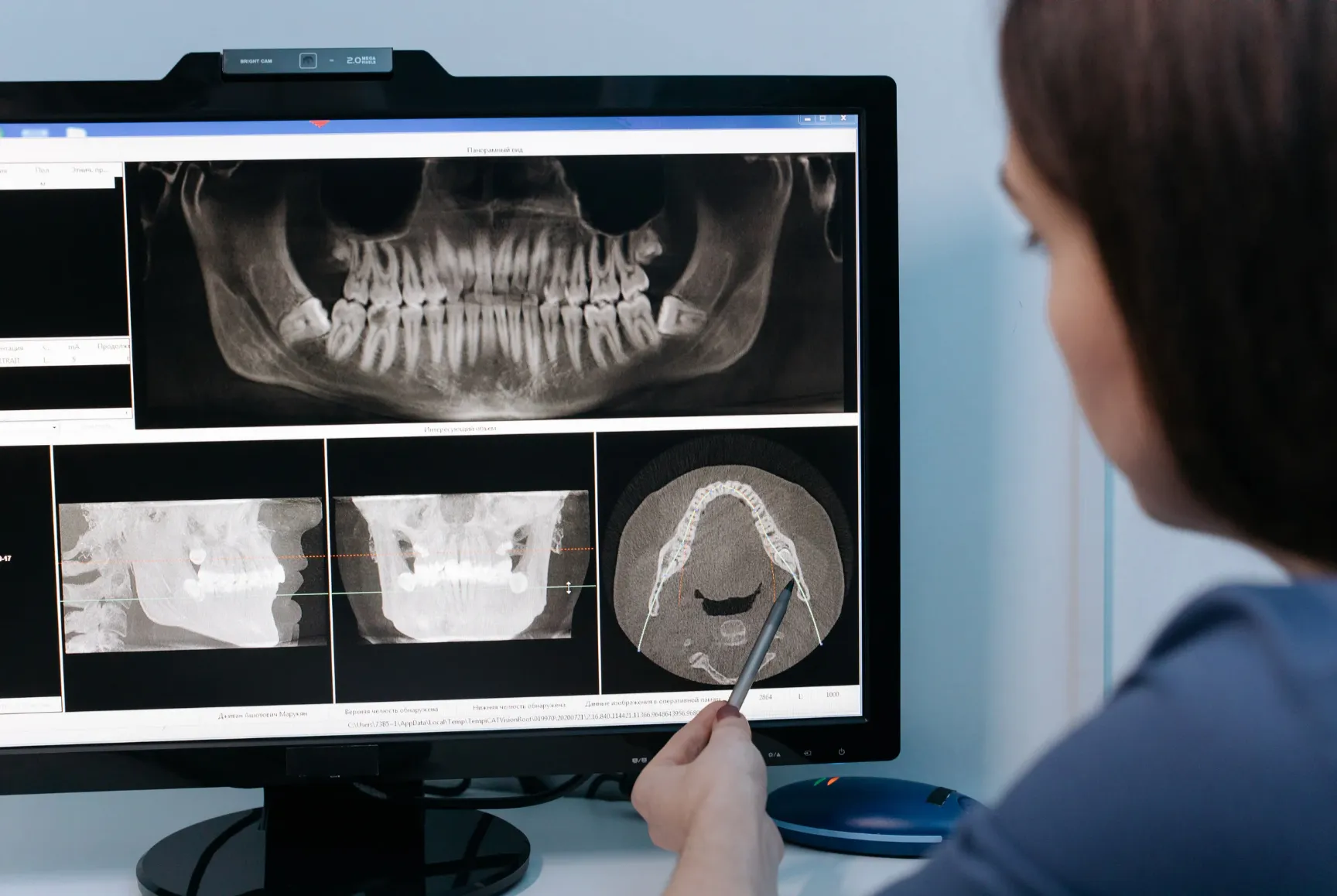
How Often Should You Test Your Dental X-Ray Equipment?
How often should dental X-ray equipment be tested? A clear look at the daily, periodic, and annual QA checks Canadian clinics should run to stay compliant.
Read More
ALARA in Dentistry: How to Keep X-Ray Exposure Low
ALARA means keeping dental X-ray exposure As Low As Reasonably Achievable. Learn how clinics lower patient dose while keeping image quality high.
Read More
What Is Safety Code 30? A Guide for Canadian Dental Clinics
Safety Code 30 is Health Canada's standard for safe dental X-ray use. Here's what it requires, why daily QA matters, and where most clinics fall short.
Read More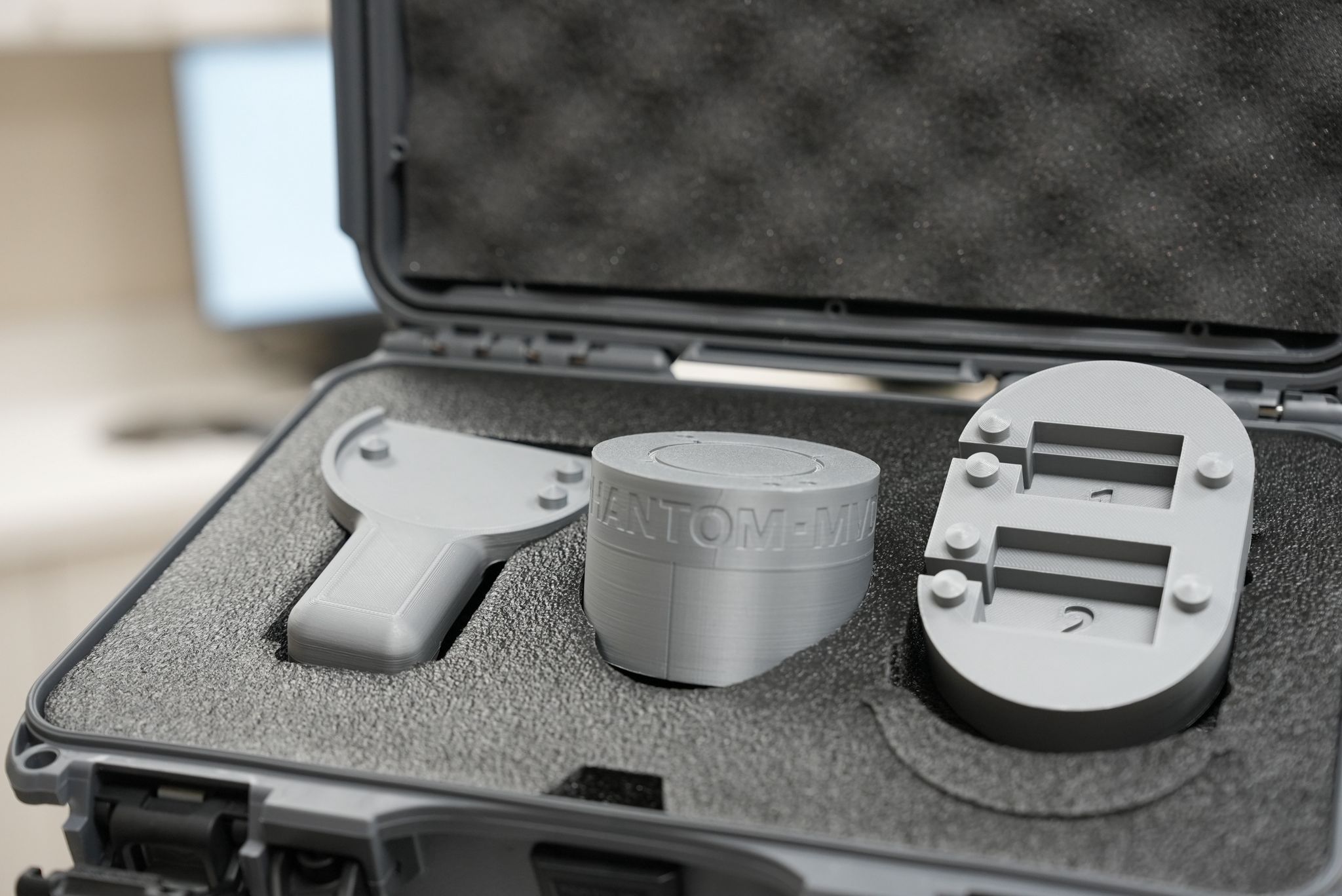
Safety Code 30 Checklist for Dental Clinics (2026 Update)
Safety Code 30 compliance requires consistent daily QA testing, complete documentation, proper equipment monitoring, and trained staff. This checklist helps dental clinics identify gaps in their current process and ensure they are fully prepared for inspections. Moving to a structured, digital approach can reduce errors and make compliance easier to maintain.
Read More.jpeg)
Do Dentists Have to Perform Daily X-Ray QA in Canada?
Daily dental X-ray QA is becoming the expected standard in Canada as Safety Code 30 guidelines evolve. While many clinics still rely on manual processes, these methods often lead to gaps in documentation and increased compliance risk. Moving toward consistent, documented daily QA, especially through digital systems, helps clinics stay prepared for inspections and maintain reliable image quality.
Read More
Phantom XY System Statistics That Prove the Future of Dental X-Ray Quality Assurance
Discover how the Phantom XY System is transforming dental radiography with over 30,000 digital quality assurance tests, dramatically fewer retakes, improved patient safety, and 99% diagnostic performance.
Read More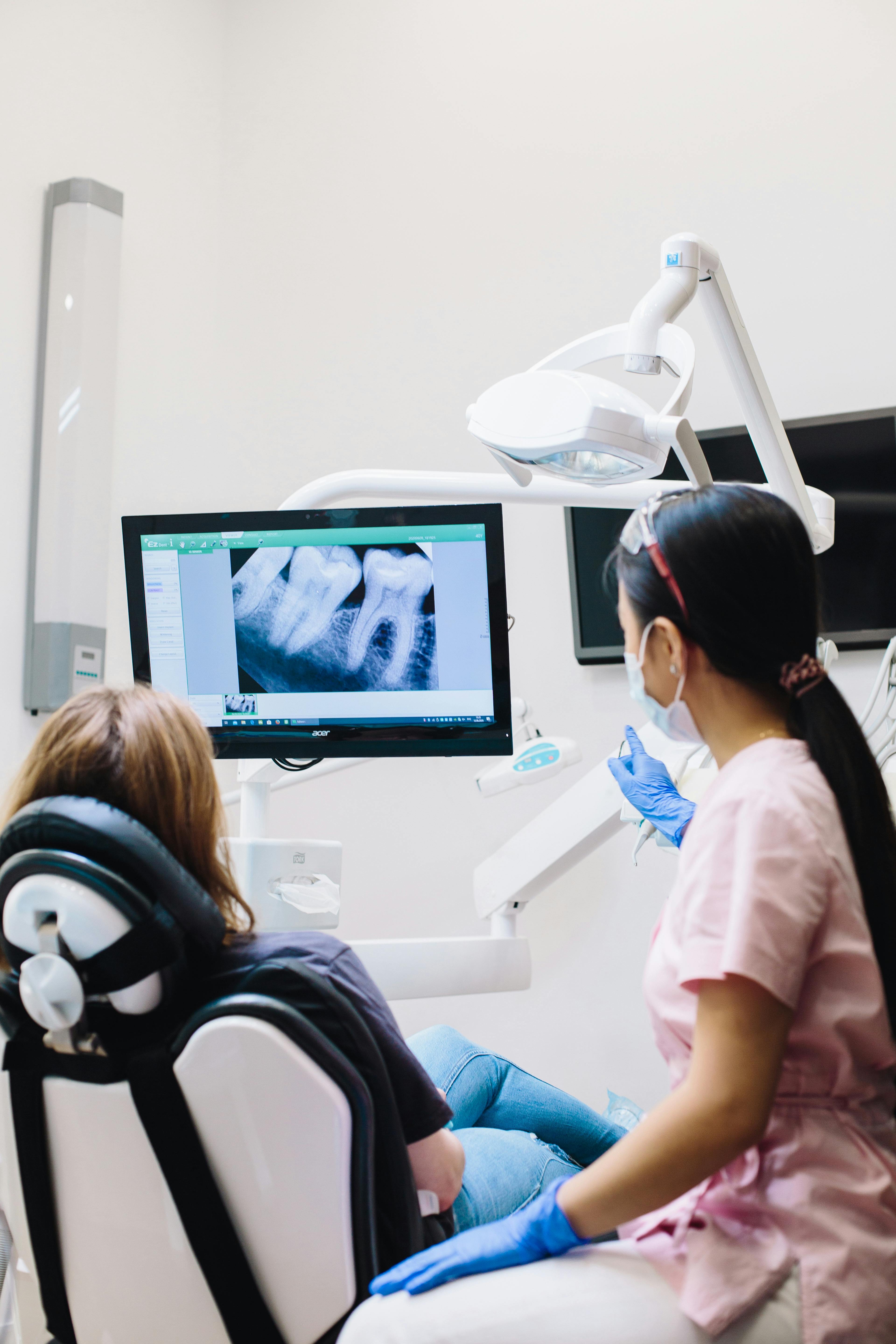
Best Digital QA Systems for Dental Clinics in 2025
Digital QA systems help dental clinics save time, stay compliant, and keep X-rays consistent. This guide covers what to look for and why Phantom XY leads in 2025.
Read More
Dental Radiographic DQA vs QA Testing: What’s the Difference and Why It Matters
QA testing checks that dental X-ray systems operate safely and consistently. DQA goes further by verifying digital image quality with quantitative metrics. This post explains how DQA fits within Safety Code 30 and why solutions like Phantom XY combine both approaches for complete compliance.
Read More
Digital vs Manual QA Testing: Which Saves Time, Improves Accuracy, and Protects Your Clinic
Manual QA testing relies on subjective visual checks and handwritten records. Digital QA systems like Phantom XY automate testing, deliver measurable results, and store every record securely, saving time, increasing accuracy, and improving patient and staff safety.
Read More
Top 5 Mistakes Dental Clinics Make with X-Ray Quality Assurance
Most clinics still make film-era QA mistakes that don’t meet Safety Code 30 (2022). This article outlines the five most common issues, from using step wedges to skipping daily tests, and shows how digital tools like Phantom XY help clinics stay fully compliant.
Read More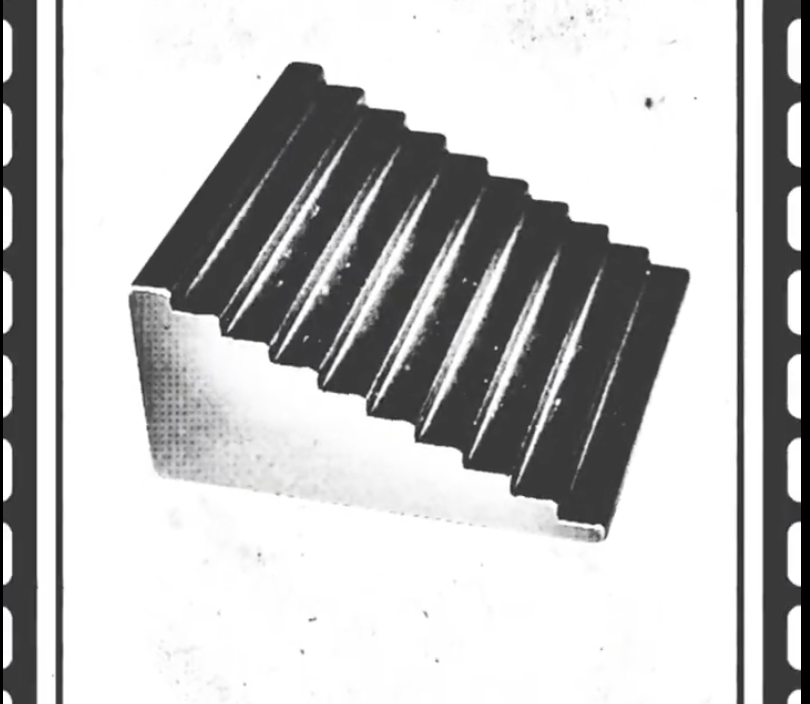
What Safety Code 30 Means for Your Dental Clinic
Safety Code 30 (2022) requires every dental clinic to perform daily image-quality checks on all X-ray devices but old step wedges can’t meet today’s digital QA standards. This article explains what the current code actually demands and how Phantom XY provides the automated, data-driven testing needed to stay compliant and consistent.
Read More
Daily X-Ray QA: Ensuring Patient Safety and Compliance
Daily Quality Assurance (QA) testing is essential for maintaining patient and staff safety while ensuring compliance with Health Canada’s Safety Code 30. Traditional step wedges can’t meet modern digital standards. The MVD Phantom XY: the only digital QA phantom designed for dental X-ray systems - automates testing, delivers measurable results, and keeps clinics fully compliant with evolving Safety Code 30 requirements.
Read More