
Do Dentists Have to Perform Daily X-Ray QA in Canada?

If you run a dental clinic in Canada, this question is coming up more and more:
Do dentists actually have to perform daily X-ray quality assurance?
The short answer depends on your province. In Ontario, yes: Regulation 543 under the Healing Arts Radiation Protection Act (HARP Act) requires photographic quality control on every operational day, with records kept for six years. Health Canada's Safety Code 30 is national guidance and does not, on its own, create a daily legal duty. Clinics outside Ontario should check their own provincial radiation-safety rules.
Either way, daily QA is fast becoming the practical standard for patient safety and inspection readiness.
What Safety Code 30 Is Pushing Toward
Safety Code 30 is Health Canada’s framework for radiation safety in dental imaging. The latest updates point in a clear direction:
- Clinics must ensure consistent image quality
- Equipment must be monitored regularly
- Quality assurance must be documented and verifiable
- Patient exposure must be minimized through proper calibration
In plain terms, Safety Code 30 points every clinic toward routine, documented QA testing. In Ontario, the daily part is already the law under Regulation 543.
Why Daily X-Ray QA Matters
This is not just about passing inspections. There are real risks tied to inconsistent QA.
Without daily testing, clinics can run into:
- Gradual image quality degradation that goes unnoticed
- Retakes that increase radiation exposure for patients
- Equipment issues that are caught too late
- Incomplete or inconsistent compliance records
The issue is that these problems build slowly. By the time they are noticed, they are harder and more expensive to fix.
Daily QA helps catch small issues before they turn into bigger ones.
What Most Clinics Are Doing Right Now
Many clinics are still relying on manual processes:
- Paper logs
- Occasional checks instead of daily testing
- Staff-dependent routines
- Inconsistent documentation
On the surface, this seems manageable. In practice, it creates gaps.
Missed days, incomplete logs, and human error are exactly the kinds of issues that come up during inspections.
What Inspectors Are Looking For
During a review, inspectors are not just checking if QA is done. They are looking for consistency and proof:
- Is testing done daily without gaps?
- Are records clear, complete, and easy to verify?
- Can the clinic show a reliable history of compliance?
- Are there any inconsistencies in the data?
Most compliance issues come down to documentation, not intent.
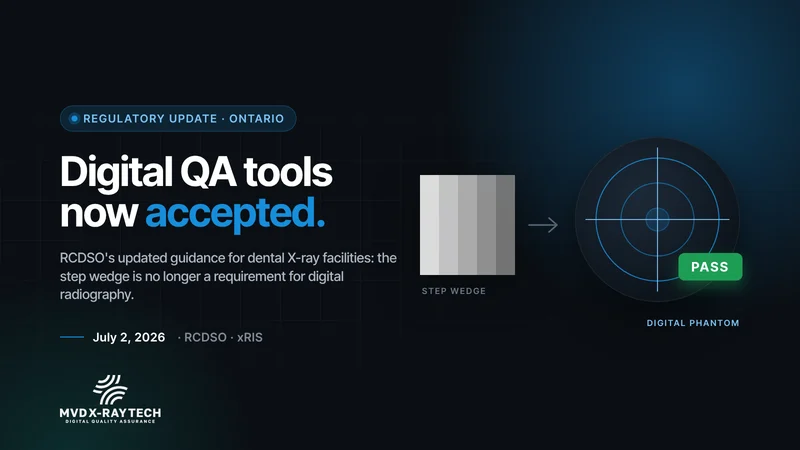
The Shift Toward Digital QA
This is why many clinics are moving away from manual systems.
Digital QA solutions help address the most common problems:
- Structured daily testing workflows
- Consistent and standardized results
- Secure records with no missing entries
- Easy access during inspections
They reduce reliance on memory, paper logs, and manual tracking.
So, Do You Have to Do Daily QA?
If your clinic is in Ontario, the answer is yes. The dental radiation protection officer must ensure photographic quality control is carried out on every day the X-ray equipment is used, and that each test, its result and any corrective action are recorded and kept for six years.
If your clinic is in another province, check your provincial rules. Running daily QA anyway is the safer habit, because it catches image quality problems early and gives you a clean record.
What Clinics Are Doing to Prepare
Clinics that want to stay ahead are already taking steps like:
- Moving toward digital QA systems
- Standardizing their daily testing process
- Keeping complete, organized records
- Reducing reliance on manual tracking
These changes are less about reacting to rules and more about building a reliable system.
Next Steps
If your clinic cannot clearly show consistent daily QA records, it is worth taking a closer look at your current process.
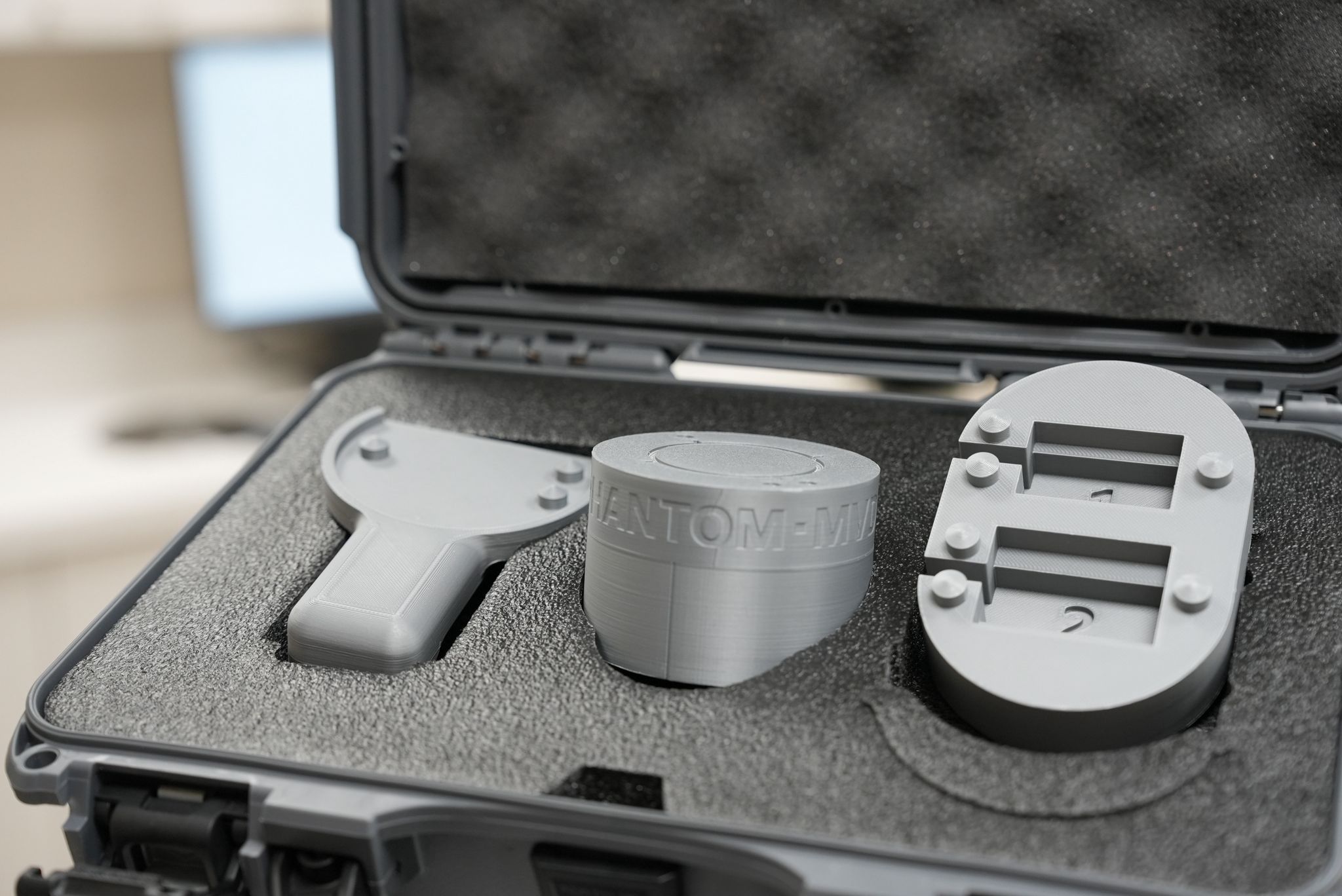
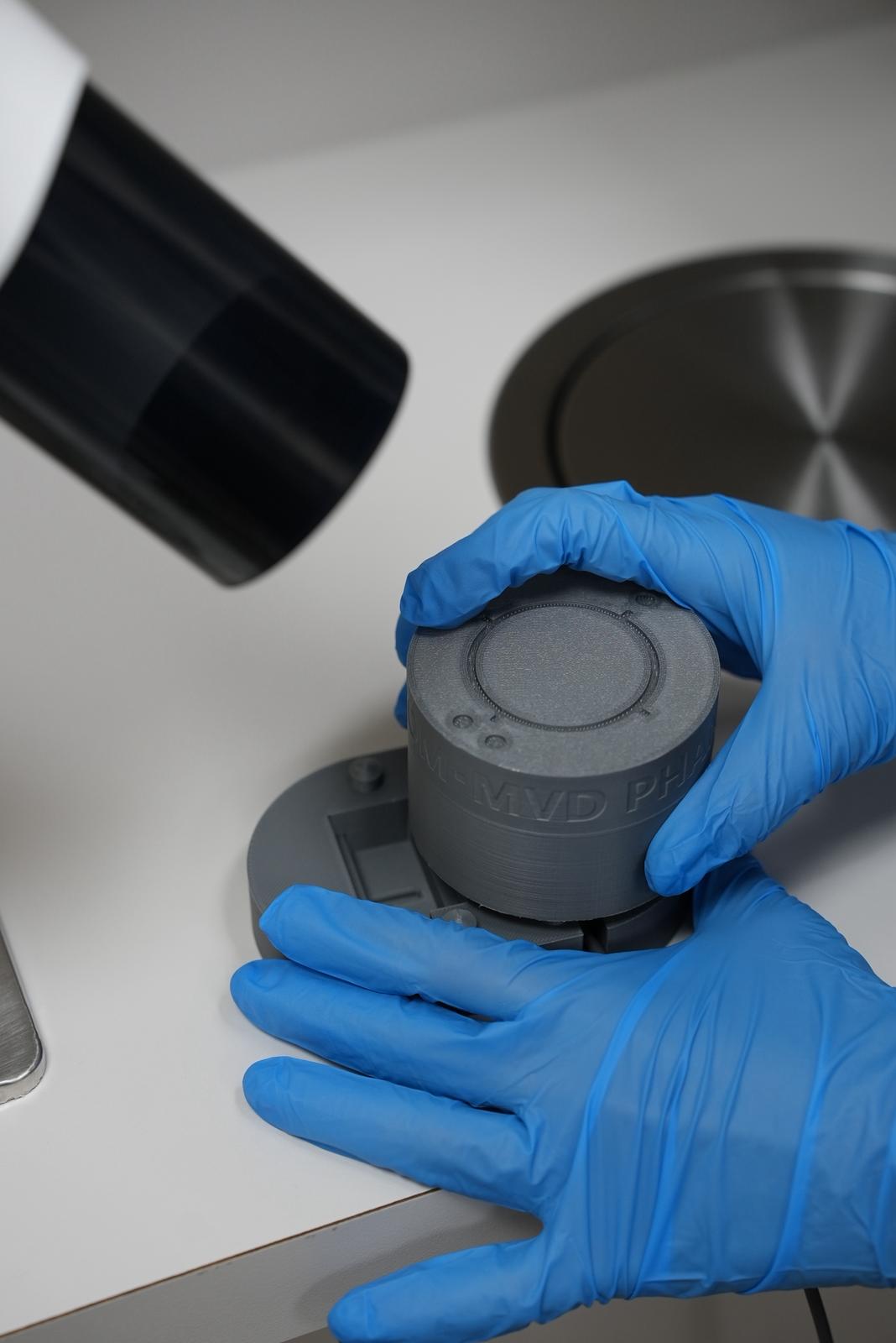
MVD provides a digital approach to daily X-ray QA that helps clinics stay consistent, reduce errors, and keep records ready for review at any time.
You can book a demo to see how it fits into your workflow and what a digital QA process looks like in practice.
Frequently Asked Questions
Do dentists in Canada have to perform daily X-ray QA?
It depends on the province. In Ontario, Regulation 543 under the HARP Act requires photographic quality control on every operational day. Health Canada's Safety Code 30 is guidance and does not create a daily legal duty on its own, so clinics in other provinces should check their provincial radiation-safety rules.
Who is responsible for daily QA in an Ontario dental office?
The dental radiation protection officer, who must be a dentist, must ensure the tests are carried out. Staff can run the test, but the responsibility sits with the radiation protection officer.
What records does an Ontario X-ray inspector expect to see?
Records of each test showing the type of test, the result, and any action taken to correct a deficiency, kept in the facility for at least six years. RCDSO guidance also describes a daily image count and a retake record for each machine.
Who inspects dental X-ray facilities in Ontario?
The Ontario Ministry of Health's X-ray Inspection Service (XRIS) administers the HARP Act and Regulation 543.
Is a daily test needed on days the X-ray is not used?
No. Regulation 543 says every operational day, which means each day the equipment is used.