Best Digital QA Systems for Dental Clinics in 2025

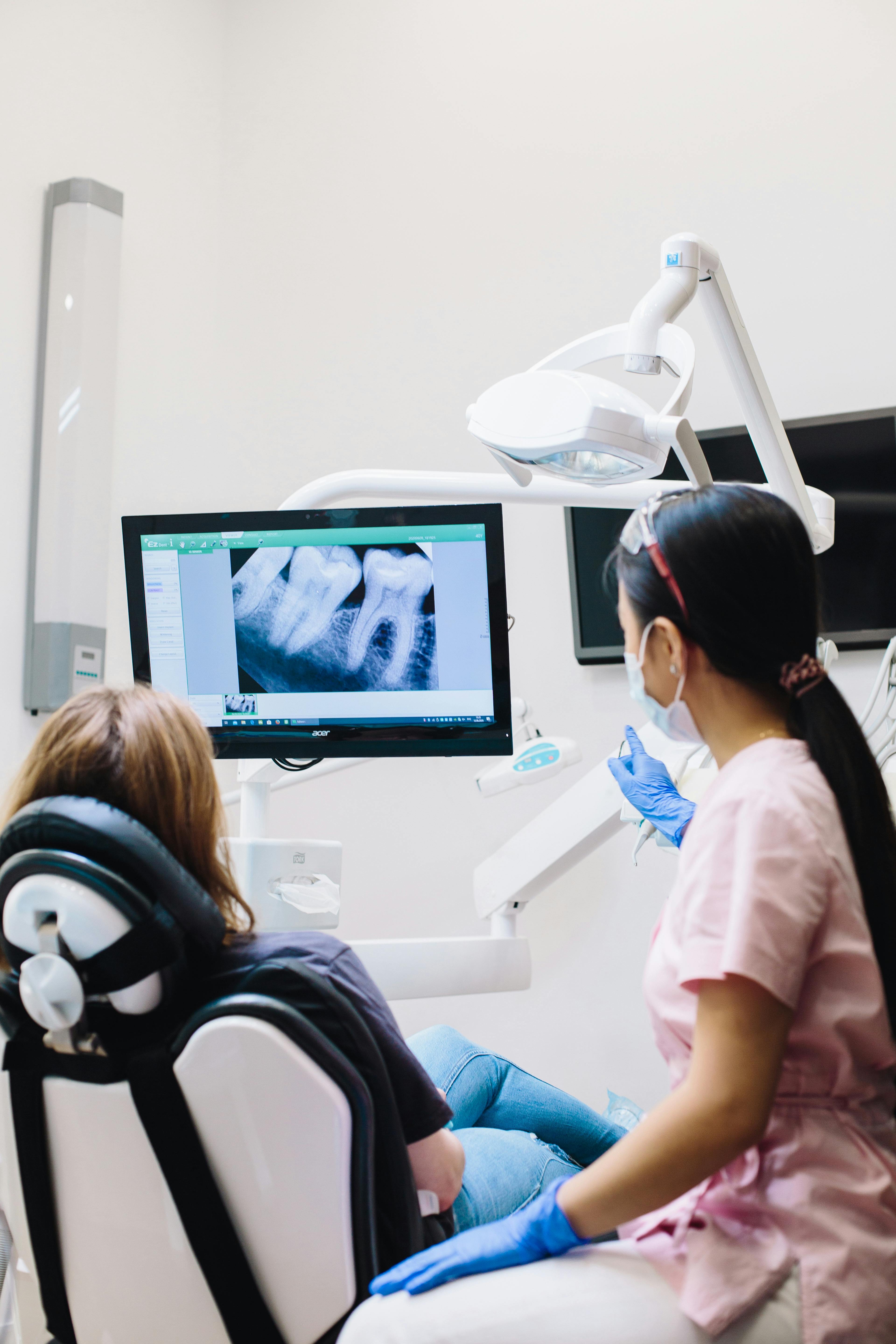
In modern dental imaging, quality assurance (QA) isn’t a once-a-year chore anymore; it’s a core part of clinical safety and compliance. As regulators tighten standards under Health Canada’s Safety Code 30 and provincial inspection frameworks, digital quality assurance (DQA) systems have become essential for every dental practice that operates radiographic equipment.
Yet with so many products claiming to automate and simplify QA testing, it’s hard to know which systems actually deliver measurable accuracy, efficiency, and compliance support. Below, we’ll break down the key criteria that define a reliable DQA solution and review some of the top systems available in 2025, including how they differ in features, workflow, and long-term value.
Why Digital QA Is No Longer Optional
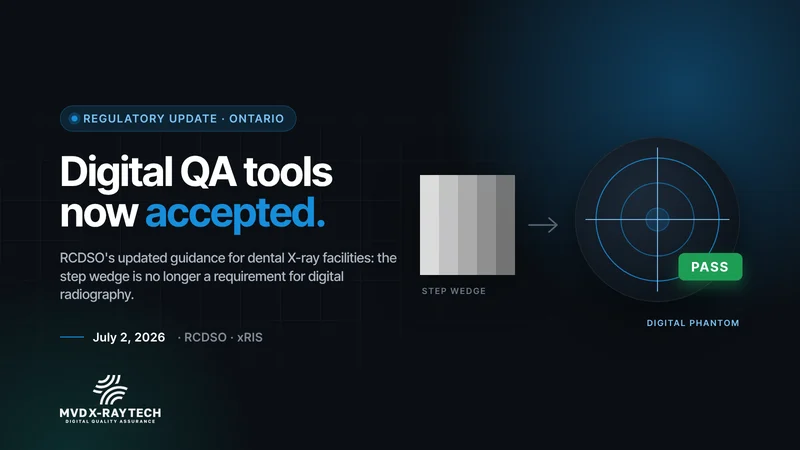
Manual QA methods, such as using a step wedge and visually grading X-ray exposures, have served clinics for decades. But they also introduce human variability, take valuable chairside time, and often fall short of today’s traceability expectations.
A digital QA system replaces guesswork with measurable, reproducible data.
By automatically analyzing images for contrast, sharpness, density uniformity, and geometric accuracy, these tools ensure consistent diagnostic quality, while minimizing unnecessary radiation exposure for both patients and staff.
Clinics that move to fully digital QA workflows benefit from:
- Automated compliance with Safety Code 30 and ALARA principles.
- Instant reporting for inspections and audits.
- Reduced retakes, protecting patients and saving time.
- Improved diagnostic confidence across intraoral, panoramic, and CBCT systems.
Key Criteria for a Reliable Digital QA System
If you’re evaluating digital QA solutions for your clinic, these are the five pillars that separate great systems from generic software:
- Consistent Results
It should give the same reliable results every time, no matter who’s using it. - Automatic Testing
The system should check image quality on its own, without staff having to manually judge if an X-ray “looks okay.” - Easy Record Keeping
Test results should save automatically so you can show proof of quality anytime. - Follows Safety Standards
It needs to meet Canadian dental safety guidelines and inspection requirements. - Good Support and Updates
The company should keep the software up to date and be easy to reach if you need help.
The Shift Toward AI-Driven QA
Artificial intelligence is transforming how clinics measure image quality.
Rather than relying on static grayscale patches or subjective grading, AI systems detect subtle image deviations invisible to the human eye. Using computer-vision algorithms, they evaluate noise, sharpness, and exposure uniformity across thousands of pixels in seconds.
For dental teams, this means:
- Faster feedback after each test exposure.
- Quantitative metrics instead of qualitative “good / bad” judgments.
- Early detection of equipment drift before it affects patient diagnostics.
MVD’s Phantom Cloud AI represents this new generation of DQA: it uses trained algorithms to assess each QA image, auto-logs the results, and displays pass/fail criteria in real time. The result is not just automation, it’s standardization, reducing the influence of operator bias across the entire clinic network.
Compliance and Audit Readiness
When inspectors arrive, what they want to see is consistency and traceability.
A compliant DQA workflow automatically records every test date, X-ray unit, and result without depending on manual spreadsheets or paper logs.
Modern systems like Phantom Cloud AI generate:
- Audit-ready reports exportable as PDFs or CSVs.
- Time-stamped records stored securely for 10 years.
- Automated reminders for monthly or quarterly testing intervals.
This digital paper trail is invaluable during compliance checks and reassures regulators that the clinic operates within ALARA (As Low As Reasonably Achievable) exposure limits.
Choosing the Right System for Your Clinic
Selecting the best digital QA system isn’t just about features. It’s about fit.
Ask these questions before deciding:
- How many X-ray units do we operate, and of what type (intraoral, panoramic)?
- Do we need cloud access for multi-location QA tracking?
- What’s our inspection frequency under Safety Code 30 or local authority requirements?
- Do we prefer AI-scored automation or partial manual oversight?
- Is our data protected under Canadian privacy and healthcare standards?
If your goal is to modernize compliance, streamline workflow, and reduce human error, an AI-driven, cloud-connected platform is the most future-proof investment. Systems like Phantom Cloud AI and Phantom XY System 3D combine automation, accuracy, and traceability, empowering clinics to achieve top-tier QA results with minimal manual effort.
The Bottom Line
Digital QA systems have evolved from optional add-ons to essential clinical tools. The best solutions in 2025 not only test image quality but also integrate directly into the digital infrastructure of a modern practice, ensuring compliance, safety, and peace of mind for both patients and practitioners.
If you’re evaluating your next QA upgrade, look for platforms that prioritize automation, data integrity, and regulatory alignment.
With those three pillars in place, your clinic will stay ahead of inspections, minimize radiation exposure, and deliver sharper, more reliable diagnostics every day.