
Intraoral vs. Panoramic X-Ray QA: What's the Difference?

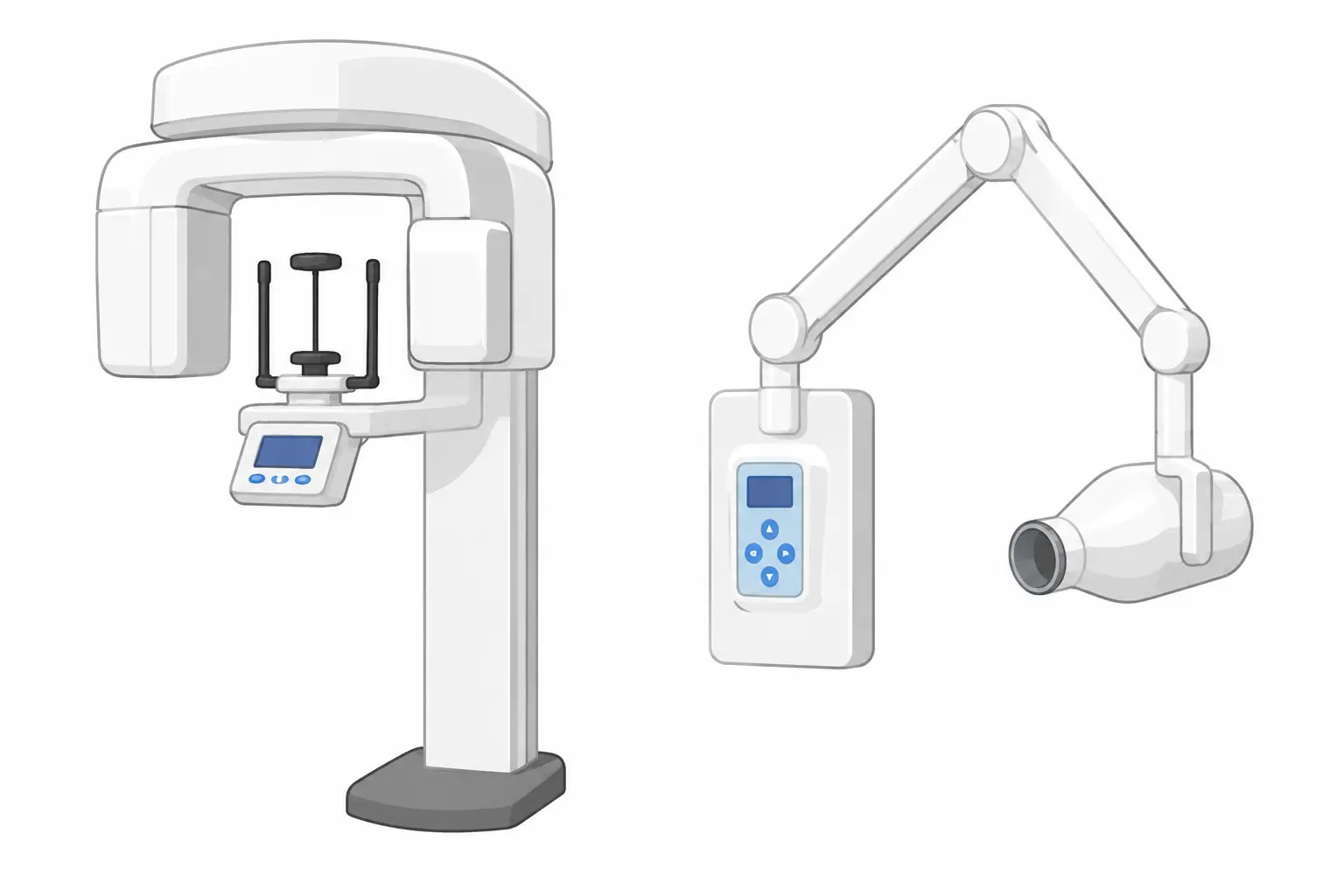
Not all dental X-ray systems are the same, and neither is their quality assurance.
Intraoral and panoramic devices serve different purposes, and each has its own QA considerations.
Here is how they compare, and why both need consistent testing.
Intraoral X-Ray QA
Intraoral systems capture detailed images of individual teeth and surrounding bone.
QA for intraoral devices focuses on:
- Image sharpness and detail
- Consistent exposure and contrast
- Sensor performance and condition
- Detecting artifacts that affect diagnosis
Because these images are so detailed, small quality issues can have a real clinical impact.
Panoramic X-Ray QA
Panoramic systems capture the entire mouth in a single image.
QA here pays close attention to:
- Even image density across the full arch
- Alignment and geometry
- Consistent overall image quality
- Equipment movement and positioning
With a wider field of view, consistency across the whole image matters most.
What They Have in Common
Despite the differences, both rely on the same QA fundamentals:
- Regular, documented testing
- Early detection of drift or faults
- Consistent image quality over time
- Records that support patient safety and compliance
One System for Both
Managing QA separately for each device type adds complexity.
The Phantom XY System supports QA across intraoral and panoramic devices, keeping everything consistent and documented in one place.
Want unified QA across all your X-ray devices? Book a demo.