

Wired vs Wireless Dental X-Ray Sensors: QA Considerations


Choosing between wired and wireless dental X-ray sensors is a practical decision, and it affects more than convenience. It also shapes how you handle quality assurance.
Here is how the two compare, and what to keep in mind for QA with each.
How Wired Sensors Work
Wired sensors connect directly to the computer through a cable.
They tend to be reliable and do not need charging, but the cable is a common point of wear.
How Wireless Sensors Work
Wireless sensors send images without a cable, which can make positioning easier.
In exchange, they rely on batteries and a stable connection, which add their own maintenance.
QA Considerations for Wired Sensors
With wired sensors, watch the cable closely. A failing cable can cause image issues that look like sensor problems.
Daily quality assurance helps you tell the difference early.
QA Considerations for Wireless Sensors
With wireless sensors, keep an eye on battery health and connection stability.
A weak connection or low battery can affect image consistency, which QA testing will flag.
What Both Have in Common
No matter the type, both sensors need the same core QA:
- Consistent image quality checks
- Early detection of wear or drift
- Clear, documented records
Consistent QA for Any Sensor
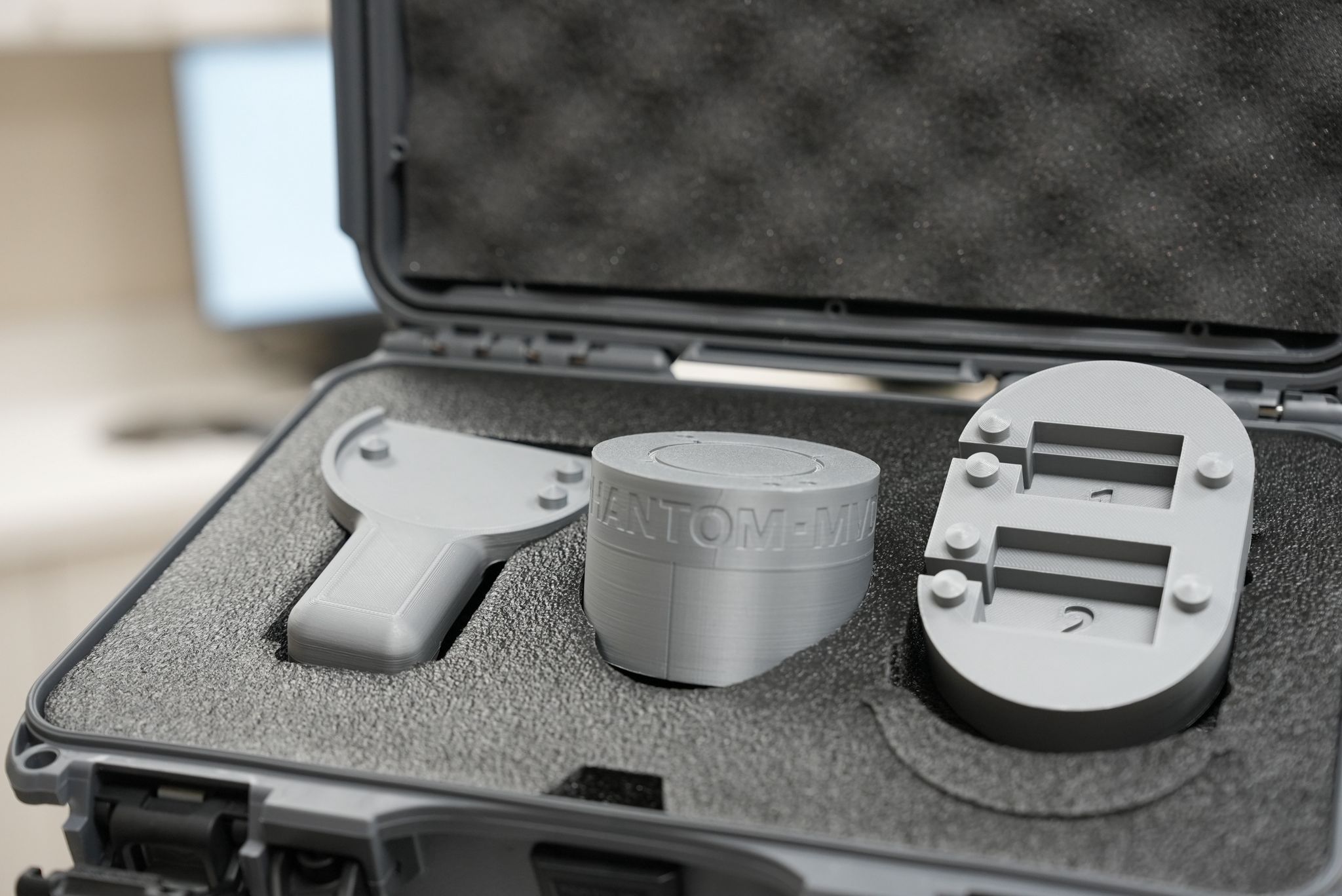
The Phantom XY System verifies image quality the same way for wired and wireless sensors, so you catch issues whatever your setup.
Want reliable QA across all your sensors? Book a demo.
.jpeg)