Most dental clinics already perform some form of X-ray quality assurance.
The real question is not whether QA is being done. It is how it is being done, and how much time it is quietly costing your clinic every single day.
At first glance, manual QA seems simple. A quick check, a log entry, and you move on.
But when you look closer, the gap between manual and digital QA is not small. It shows up in lost time, inconsistent records, and unnecessary stress when compliance matters most.
How Manual QA Actually Works
Manual QA usually looks something like this:
On paper, it feels manageable. In practice, it creates friction.
A few minutes here and there does not seem like much, but over time it adds up:
It is not just the time per test. It is the accumulation.
Where Manual QA Starts to Slip
The biggest issue is not effort. It is consistency.
Manual systems depend on people doing everything perfectly:
That is a lot of room for small errors.
Missed days, unclear entries, and scattered records are common. Most of the time, they go unnoticed until someone actually needs to review them.
What Changes with Digital QA
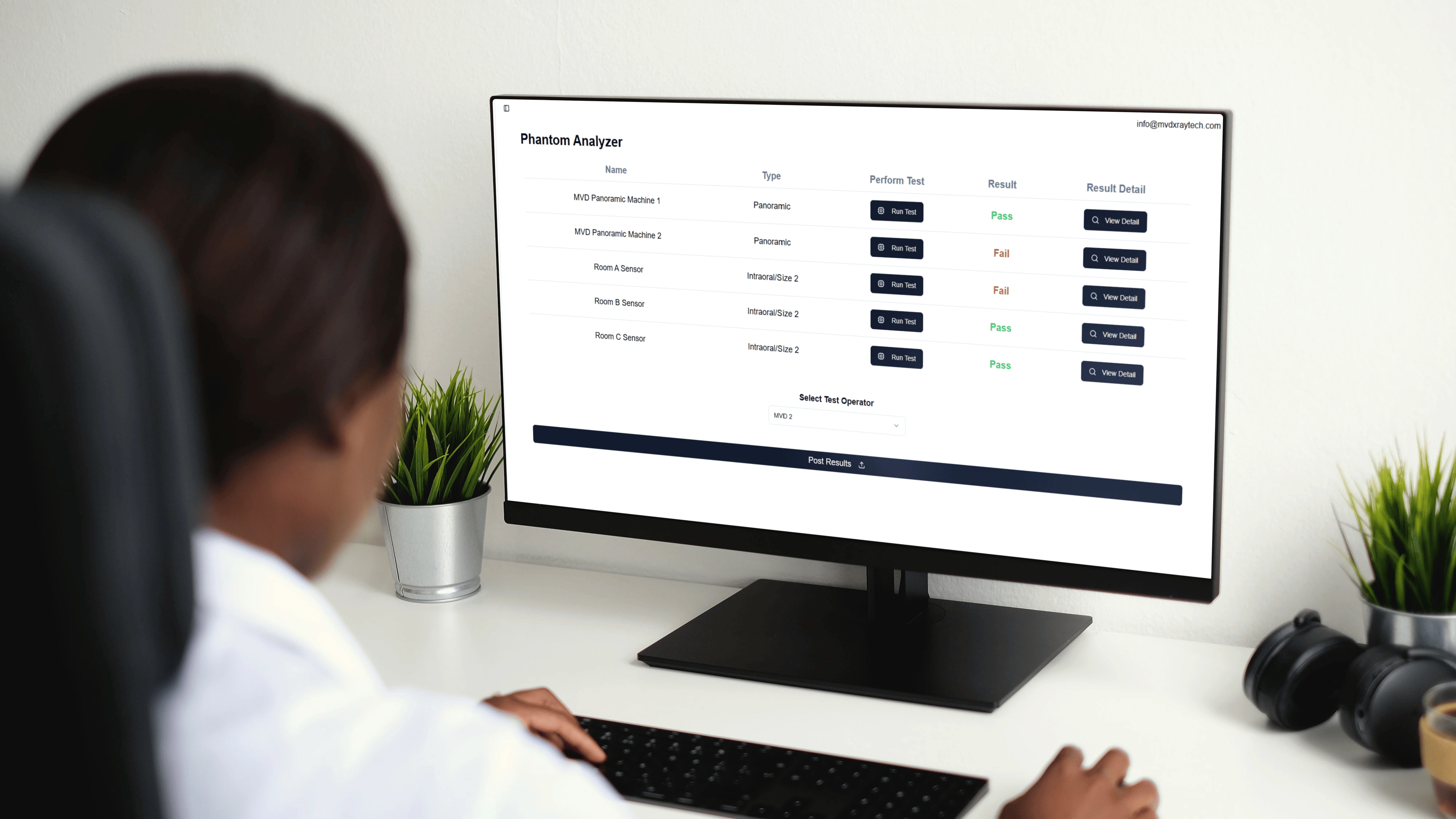
Digital QA removes those weak points by turning QA into a structured process instead of a manual task.
Instead of relying on memory and paper, everything becomes:
It shifts QA from something that depends on habits to something that runs as part of your system.
Time Savings You Actually Feel
One of the first things clinics notice with digital QA is how much smoother the workflow becomes.
Digital systems:
What used to take focus and time becomes quick and predictable.
Over weeks and months, that difference becomes significant.
Digital Logs vs Paper Logs
This is where things become very clear.
With manual logs:
With digital logs:
Instead of hoping your records are complete, you know they are.
Accuracy and Reliability
Manual QA relies heavily on visual judgment.
Digital QA relies on measurable data.
That leads to:
As expectations increase, that level of consistency becomes harder to achieve manually.
A Simpler Way to Stay on Track
The difference is not just technical. It changes how QA feels day to day.
Manual QA is something your team has to remember and manage.
Digital QA becomes part of the routine without needing constant attention.
For clinics managing multiple operatories or locations, having everything tracked in one place also makes a noticeable difference.
A Practical Shift Many Clinics Are Making
More clinics are moving toward digital QA not because they are forced to, but because it removes friction they deal with every day.
Less time spent logging. Fewer gaps in records. More confidence that everything is being done properly.
If your current process still relies on paper logs or scattered spreadsheets, it is usually not hard to spot where time and consistency are being lost.
A more structured approach tends to solve both at the same time.



 MVD X-Ray Support

Get the latest news and updates on the Phantom XY System and Phantom Cloud. Enter your email or phone number. You don't need to fill in both.
By signing up you agree to our privacy policy and agree to receive news related to the Phantom XY System.